


Description
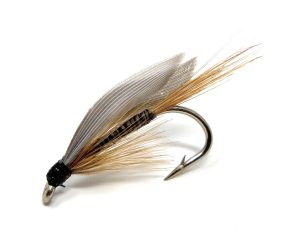
Ginger Quill Wet Fly
The Ginger Quill Wet Fly is a traditional pattern designed to imitate small mayflies, particularly in their submerged or emerging stages. This fly has been a favorite among anglers for its simplicity and effectiveness, especially during hatches of light-colored mayflies. Its muted tones and natural silhouette make it appealing to trout in both still and moving waters.
Fishing Techniques for the Ginger Quill Wet Fly
1. Swinging the Fly
- Method:
- Cast across and slightly downstream.
- Let the current swing the fly in a broad arc, allowing it to rise slightly at the end of the drift.
- Why It Works:
- The swing mimics an emerging insect struggling toward the surface or drifting with the current.
- Tips:
- Use subtle twitches to imitate lifelike motion.
- Position yourself to cover seams, eddies, or runs where trout are likely to hold.
2. Dead Drift
- Method:
- Cast upstream or at an angle and let the fly drift naturally with the current.
- Use mends to keep the Ginger Quill Wet Fly moving drag-free.
- Why It Works:
- This presentation replicates a drowned mayfly drifting naturally downstream.
- Tips:
- Watch your leader for any subtle movement indicating a strike.
- Add a slight rod lift at the end of the drift to imitate an insect rising.
3. Lift Technique
- Method:
- Allow the fly to sink slightly, then slowly raise your rod tip as it approaches the end of the drift.
- Why It Works:
- This mimics a mayfly ascending to the surface, a trigger for feeding trout.
- Tips:
- Use this technique in slower water or during the peak of a hatch for the best results.
4. Stillwater Fishing
- Method:
- Cast the Ginger Quill Wet Fly to likely holding areas or where fish are rising.
- Use a slow hand-twist retrieve to keep the fly at the desired depth.
- Why It Works:
- In still water, the slow retrieve mimics the subtle movements of an insect.
- Tips:
- Pair with a floating or intermediate line depending on the depth of fish.
Best Conditions for the Ginger Quill Wet Fly
- Season: Effective during spring and summer, especially during hatches of light-colored mayflies.
- Time of Day: Morning and evening, or during overcast conditions.
- Water Types:
- Riffles and runs where insects emerge.
- Pools and slow-moving stretches where trout feed on drowned insects.
Gear Recommendations
- Rod: A 4–6 weight rod with a moderate action works well.
- Line: Floating line for most situations; intermediate sinking line for deeper water.
- Leader/Tippet: Use a 4X–6X tippet to ensure delicate presentation.
- Fly Size: Typically tied in sizes 8–16 to match natural mayflies.
Why It Works
The Ginger Quill Wet Fly’s slender profile, light coloration, and soft hackle create an enticing motion and lifelike appearance that trout find irresistible. It’s a perfect choice when fish are feeding just below the surface or during hatches of light-colored mayflies.
Usually available in the following hook sizes: 8 | 10 | 12 | 14 | 16
Click here for other wet flies.


Reviews
There are no reviews yet